


 Nishmas Day 15 - Rabbi Chaim Aryeh Zev Ginzberg | Stop Carrying What's Not Yours
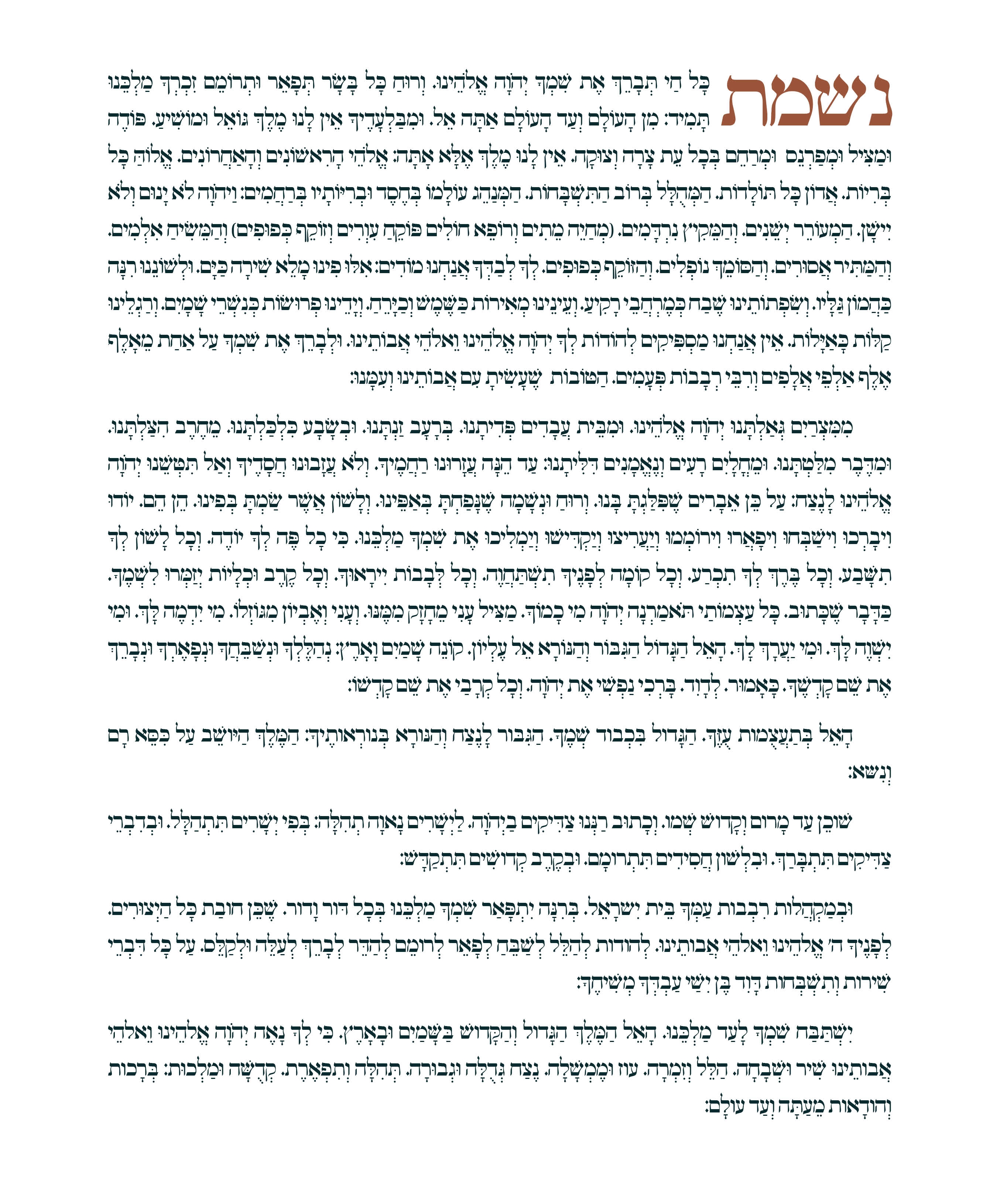
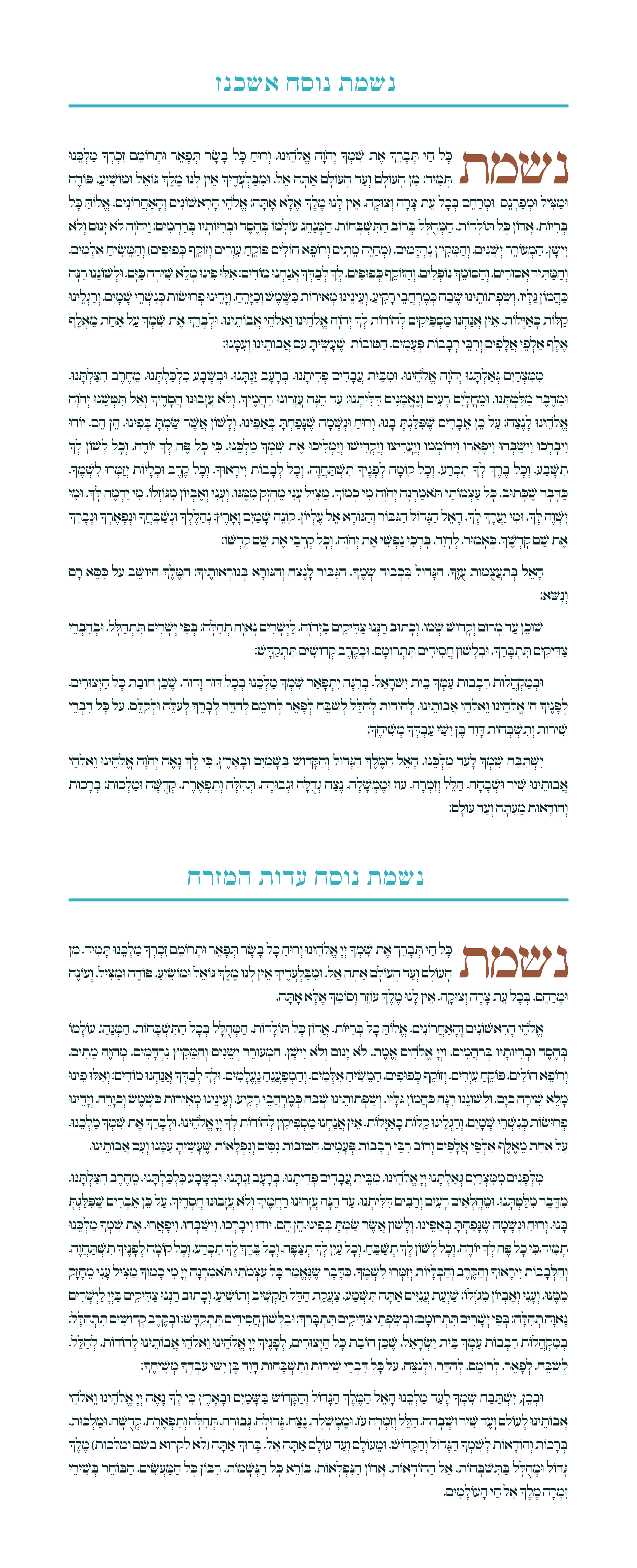
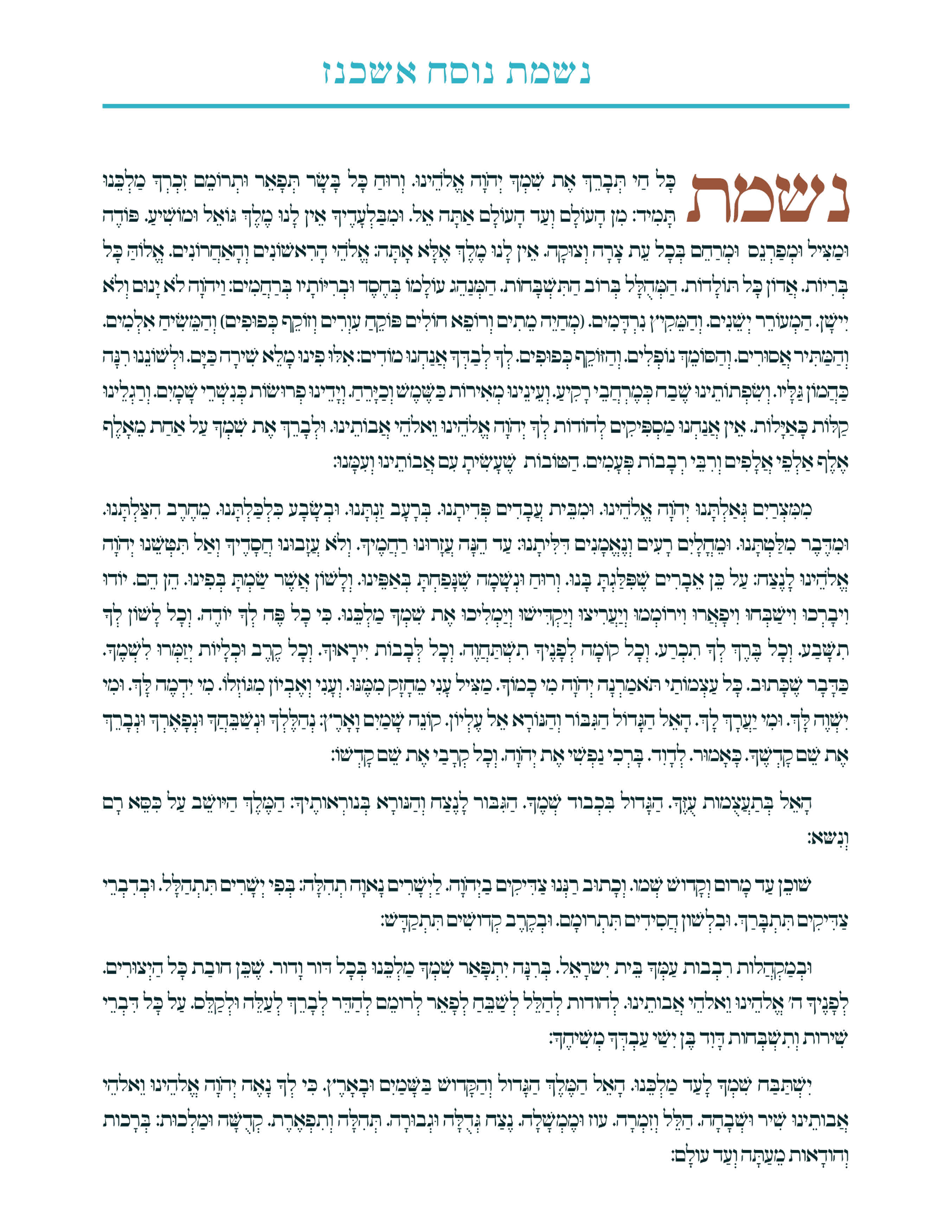
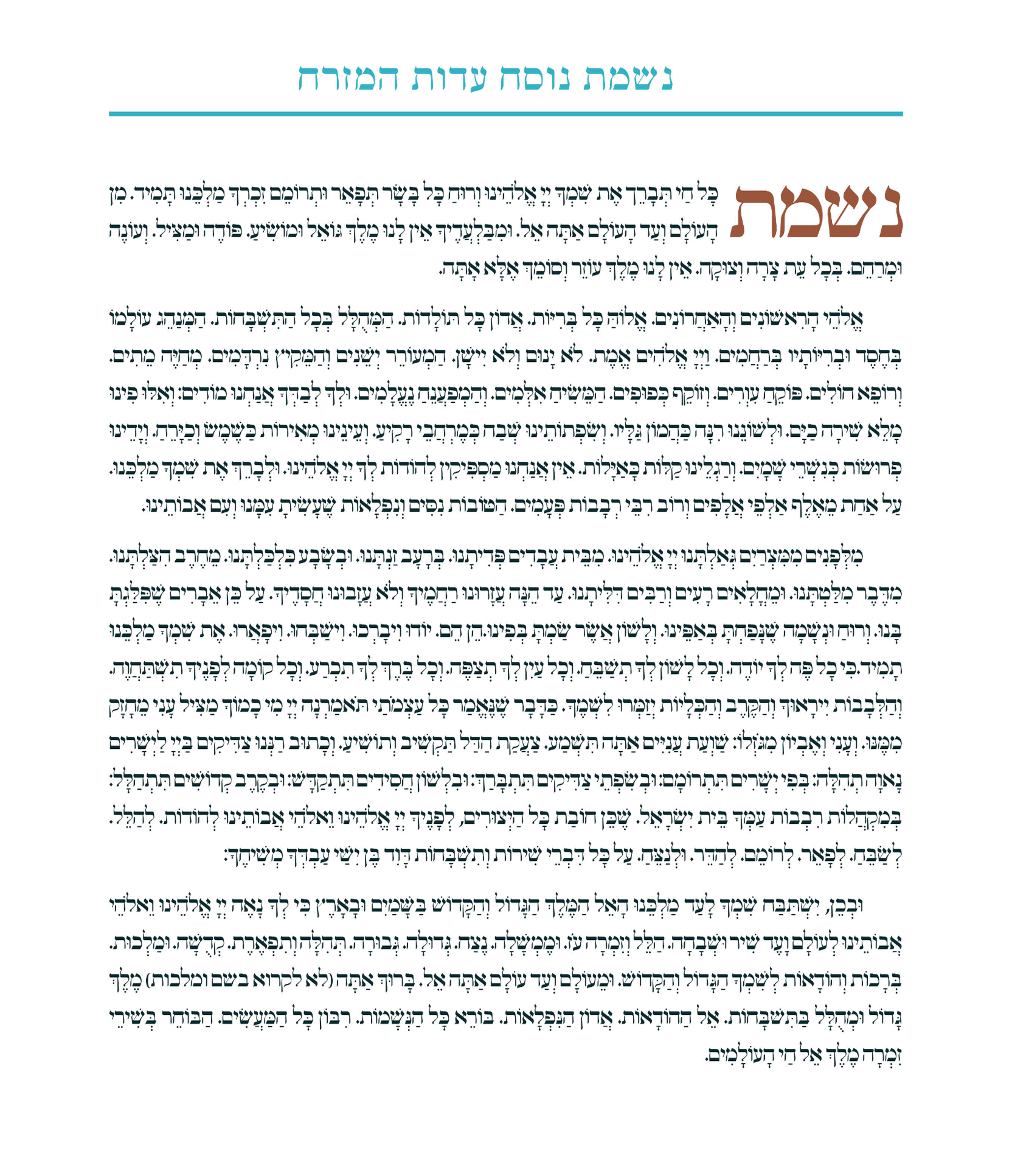
אִילוּ פִינוּ מָלֵא שִׁירָה כַּיָּם
וּלְשׁוֹנֵנוּ רִנָּה כַּהֲמוֹן גַּלָּיו,
וְשִׂפְתוֹתֵינוּ שֶׁבַח כְּמֶרְחֲבֵי רָקִיעַ,
וְעֵינֵינוּ מְאִירוֹת כַּשֶּׁמֶשׁ וְכַיָּרֵחַ,
וְיָדֵינוּ פְרוּשׂוֹת כְּנִשְׁרֵי שָׁמָיִם,
וְרַגְלֵינוּ קַלּוֹת כָּאַיָּלוֹת —
אֵין אֲנַחְנוּ מַסְפִּיקִים לְהוֹדוֹת לְךָ ה׳ אֱלֹקֵינוּ וֵאלֹקֵי אֲבוֹתֵינוּ…
These pesukim describe how even if we had endless words, endless strength, endless ability,
we still wouldn’t be able to thank Hashem enough.
And yet, just a few lines later, we say something that seems to contradict it:
עַל כֵּן אֵבָרִים שֶׁפִּלַּגְתָּ בָּנוּ… וְרוּחַ וּנְשָׁמָה… וְלָשׁוֹן… — הֵם יְהַלְּלוּ וִיבָרְכוּ… וְיַמְלִיכוּ אוֹתְךָ לְמֶלֶךְ.
The limbs You gave us, the breath, the soul, the tongue— they will praise You, bless You, and proclaim You King.
Which is it? Are we capable of thanking Hashem, or not?
To answer, the Dubno Maggid gives a powerful mashal.
There was a governor who would host an elaborate annual banquet in honor of the king.
No expense was spared. The finest food, the most beautiful tablescapes and flowers, with leaders traveling from across the land to pay tribute to the king.
But despite the grandeur, the governor was always tense. Each year, he seemed preoccupied, unsettled, unable to smile and enjoy the festivity.
One year, the king said, “This time, I’ll pay for the entire banquet.”
The event was just as magnificent as ever, but this time, the governor was different. He was calm, relaxed and completely at ease amidst the crowd.
Afterward, the king said to him, “I don’t understand. Every year the banquet is beautiful, but you always seem stressed. This year, when I paid for everything, you were calm. I don’t understand. Why is it so hard for you to spend money in my honor?”
The governor answered honestly: “When I’m the one paying, I’m constantly thinking — maybe I should have done more. Maybe I didn’t do enough to honor the king. It weighs on me the entire night.
But this year, you provided everything. You gave me all the resources I needed to prepare a magnificent banquet in your honor. I was calm, because I knew it was exactly what it needed to be.”
On our own, how could we ever express our true gratitude to Hashem? How can we wrap our minds around His endless giving?
But when we remember that the very tools we use to thank Him — our voice, our words, our strength — are not ours to begin with.
They were given to us by Him.
We’re not expected to come up with the perfect expression of gratitude. We need to try our best, using what Hashem gave us.
So often in life—especially with things like shidduchim—we feel as if we have to make things happen, like the results are in our hands.
But when we step back and remember that our role is to use the tools Hashem gave us, and that the outcome is in His hands, the pressure softens.
We’re simply doing our part, with what we’ve been given.