


 Nishmas Day 24 - Rabbi Yisroel Besser | How Did she Still Smile
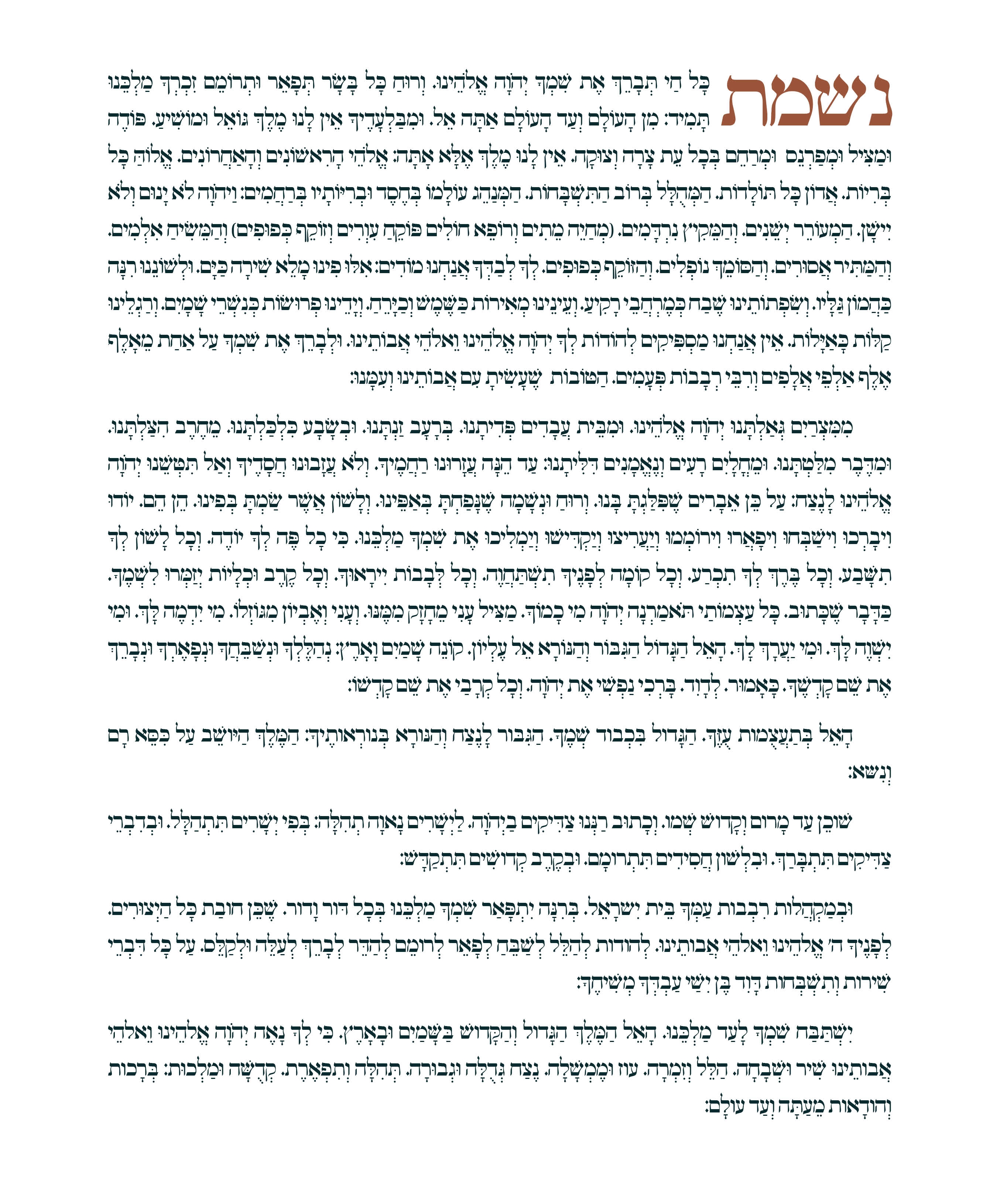
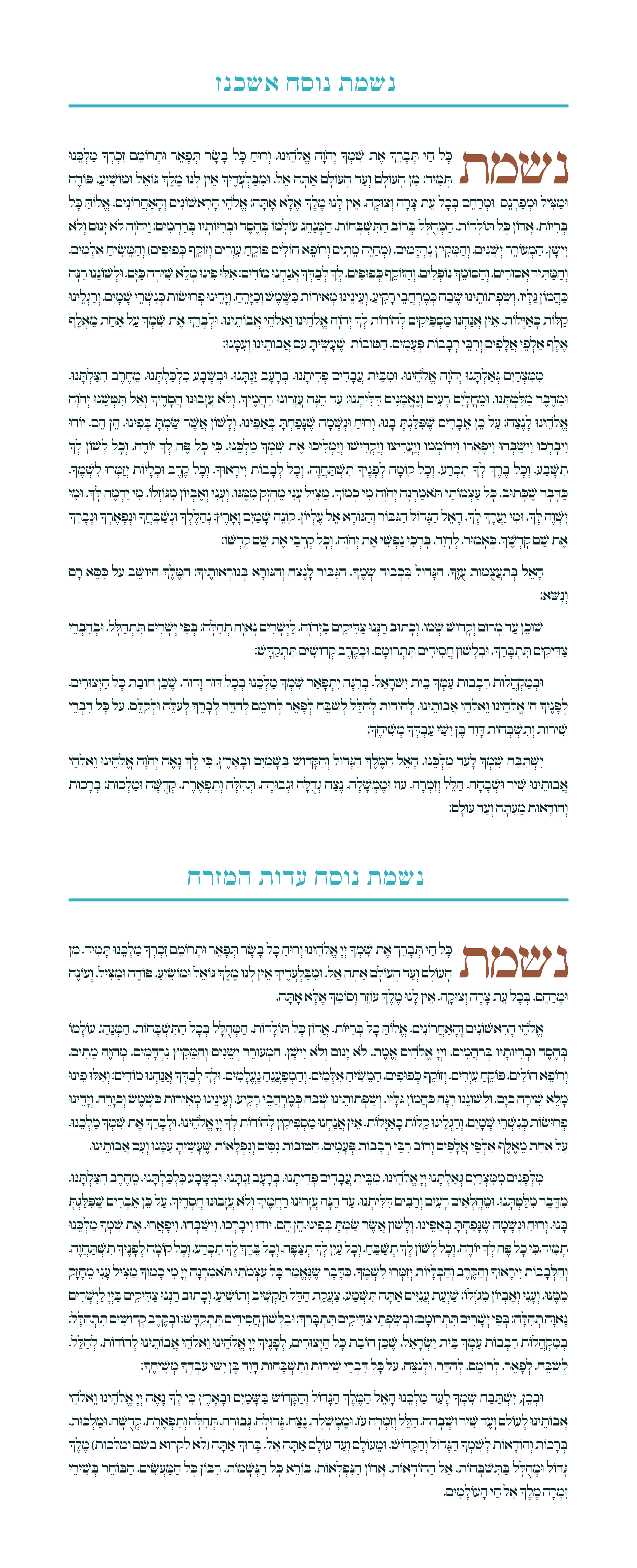
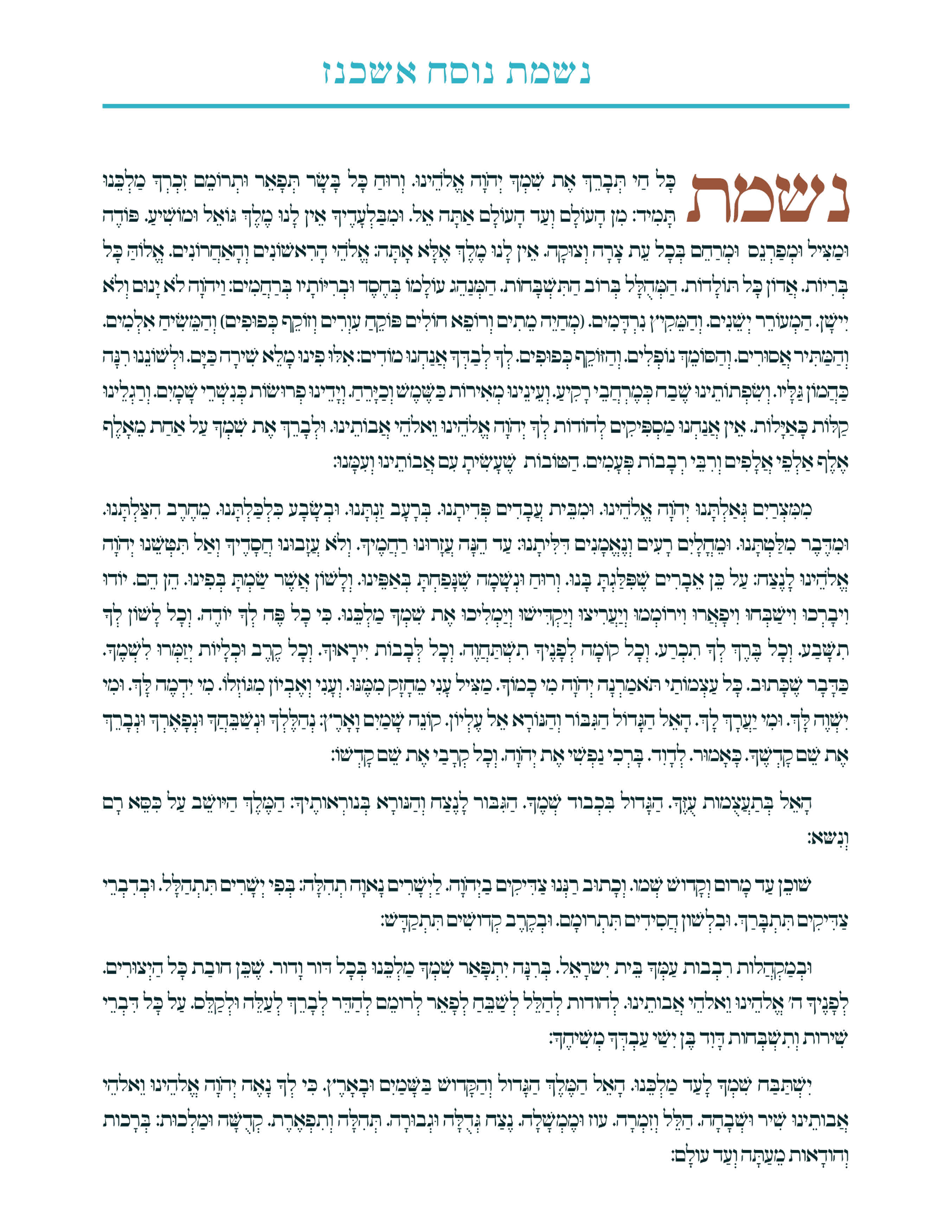
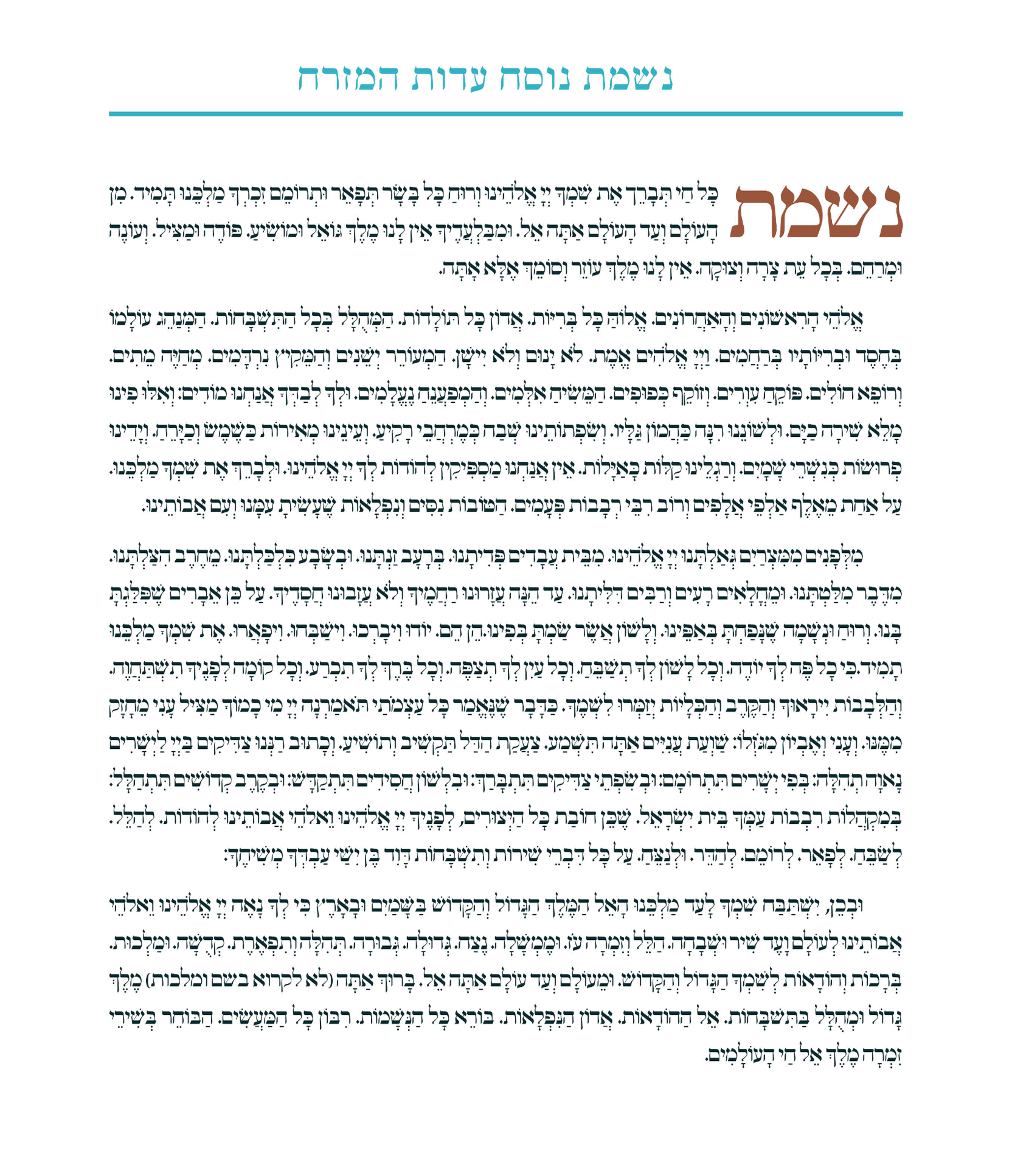
Earlier in Nishmas, we say אֵין אֲנַחְנוּ מַסְפִּיקִים לְהוֹדוֹת — we can never thank you enough Hashem.
And yet, just a few lines later, we say: עַל כֵּן אֵבָרִים שֶׁפִּלַּגְתָּ בָּנוּ, וְרוּחַ וּנְשָׁמָה שֶׁנָּפַחְתָּ בְּאַפֵּינוּ, וְלָשׁוֹן אֲשֶׁר שַׂמְתָּ בְּפִינוּ
הֵם הֵם יוֹדוּ – they will thank You.
So which is it? Can we thank Hashem—or can’t we?
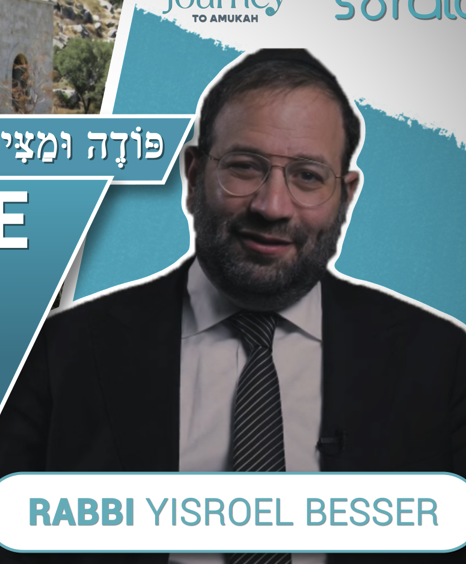
In the words of Yisroel Besser:
“My wife and I had the zechus to be close with a remarkable woman in Monsey, Mrs. Chana Tabak. In her later years, we would visit her at home, drawn by her wisdom, warmth, and her clear, grounded way of seeing the world.
Life had not been easy for her. She lost her husband. Then she lost her mobility, confined to wheelchair by Parkinson’s. And eventually, she lost her eyesight.
Her grandson once asked her: "Bubby, you've already lost so much — your husband, your mobility, your sight. What's left?"
She answered him with the most enlightening statement.
‘When I lost my mobility, I understood that it has to be Hashem has a plan for me, one that I can fulfill from this position. And when I lost my eyesight, I realized that the General has given me new marching orders — a mission that clearly doesn’t require seeing.’”
If I don’t have something, she said, it means it’s not needed for my mission.
Which means that for those of us who can see, move, and speak…those abilities are not incidental. They were given to us to be used.
And maybe that’s what we’re saying here. We can’t fully thank Hashem. There will always be more than we can ever express.
But we can take the tools He placed within us— our breath, our voice, our abilities—
and use them to bring His presence into the world.